
This device has no English text-to-speech voice, so the article may not be read aloud.
Riceberry: the Key to Innovative Nutraceutical Rice-based Products
Prof. Apichart Vanavichit, Ph.D.1, 2, 3 1Rice Science Center, Kasetsart University, Kamphaeng Saen Campus, 2Rice Gene Discovery Unit, National Center for Genetic Engineering and Biotechnology (BIOTEC), 3Department of Agronomy, Faculty of Agriculture at Kamphaeng Saen, Kasetsart University, Kamphaeng Saen Campus
Today, Thai people have known Riceberry rice for 10 years. What has Riceberry created for Thai society? Consumers have come to know this variety through its distinctive appearance, taste and nutritional value, creating awareness of the value of rice that fills not only our stomachs but also our hearts, and making consumers accept the value of brown rice. This turning point changed the mindset about how we eat rice. Acceptance of eating brown rice will permanently help solve the problem of non-communicable diseases (NCDs). The distinctiveness of color, or pigment, was a second mindset turning point that led consumers to connect purple with nutritional value well, making us look more and more for foods rich in natural pigments, as seen in the growing push to bring ever more purple-red pigmented vegetables and fruits to market.
Today marks the ten years when Thais learn about Riceberry. What has Riceberry done so far for Thai society? Consumers know Riceberry by distinctive appearance, nutritional value, and perception that not only fill our stomach but also fill our heart. Making consumers accept the nutritional benefit of whole grains is the change of mindset about rice consumption. Consuming whole grain can provide a sustainable solution to non-communicable disease (NCD). The appealing of natural color or pigment is the second mindset changing that cause consumer to better link purple pigment with nutritional properties in cereals, fruits, and vegetables.
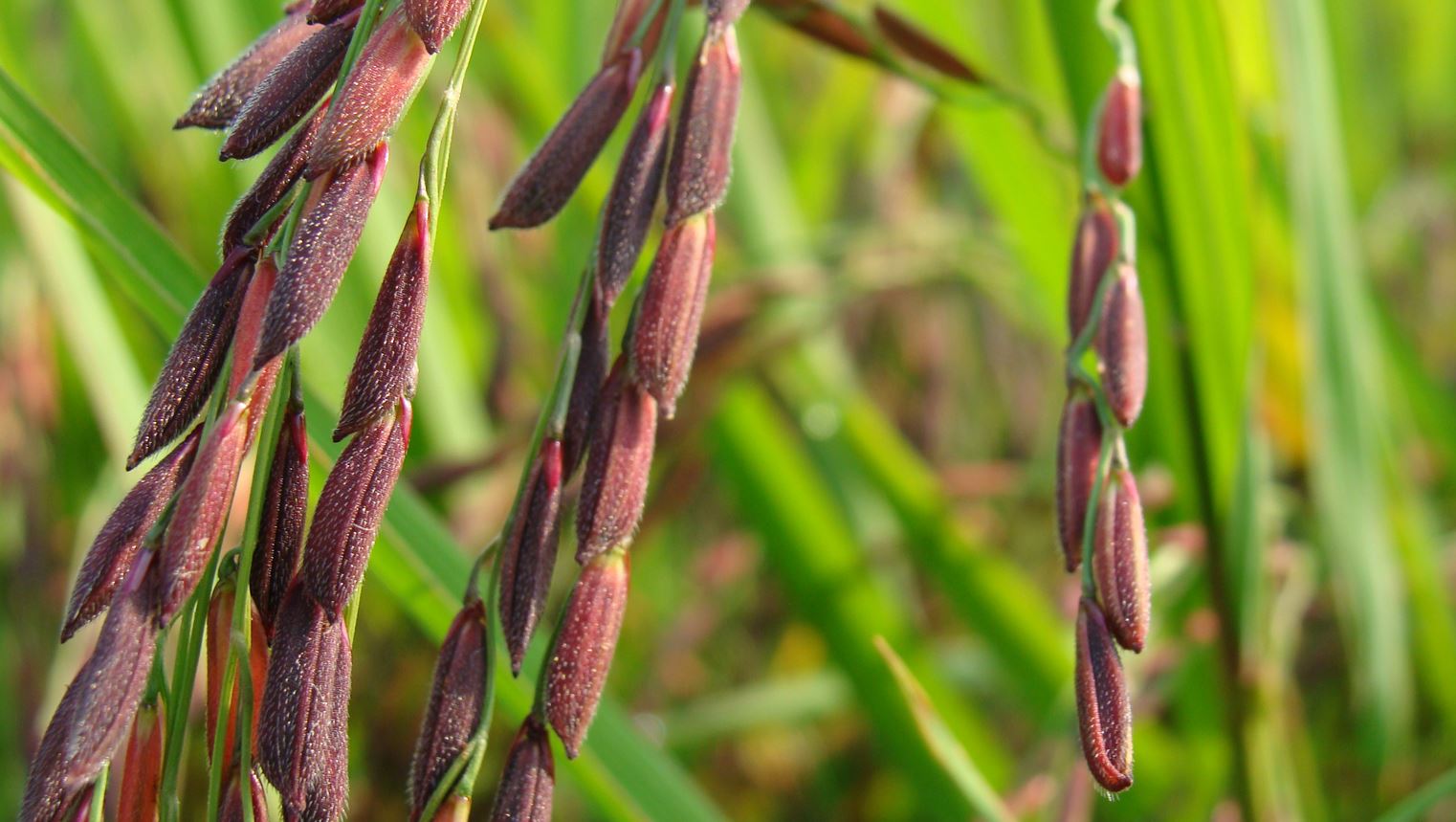
Riceberry has been positioned in the organic agriculture and food system for its nutritional properties. Producing Riceberry under organic farming makes these nutritional values stand out even more, making Riceberry a hope for farmers in the system. However, farmers' enthusiasm caused price fluctuations, and eventually production and marketing reached a more stable balance.
Riceberry was positioned in an organic culture and food. With its nutritional properties, Riceberry production under the organic system will enhance nutrient contents distinctively. As a consequence, Riceberry becomes their hope. However, the farmers’ enthusiasm caused price fluctuation. And finally, the production quantity and consumer market
Riceberry bran: a reservoir of medically active compounds
Rice bran comes in 3 shades: brown, red and purple-black. Red rice bran contains a brick-red pigment (cyanidin-3-glucoside), while purple-black rice bran contains a bluish-red pigment (delphinidin-3-glucoside) in various ratios from the thin cell layer enclosing the starchy endosperm, which has become a research topic leading to the discovery of new bioactive compounds in rice. Rice bran consists of dietary fiber, protein, oil, B vitamins, phytosterol, macro- and micronutrients, antioxidants, anthocyanin and polyphenol.
Bioactive compounds:Bioactive compounds are extracted from Riceberry bran using solvents (1), ultrasonic (2) and enzymes (3), using dichloromethane (DC) and methanol (ME), leading to the discovery of several bioactive compounds in Riceberry bran. Riceberry bran was found to accumulate beta-carotene and lutein at 185 and 224 mg/100g, which are not found in ordinary white rice. Anti-cancer compounds were also found: polyphenol, tannin and catechin at 946 mg/g, 201 mg/g and 439 mg/100g, or 3–10 times those found in ordinary brown rice. We also found high amounts of vitamins B1, B2, B3 and B9, especially folate, with deep purple bran accumulating folate at 48 mg/100g
Cancer:In the flavone group, apigenin, phytosterols and the triterpene lupeol can inhibit colon cancer cells (CaCo2), breast cancer cells (MCF-7) and leukemia cells (HL-60) (1, 4); bioactive compounds from Riceberry bran, gramisterol, inhibit acute myelogenous leukemia (5).
Type 2 diabetes (T2D):It is caused by degeneration of pancreatic beta cells or insulin resistance, so insulin cannot direct muscle cells to use glucose. Moreover, the ability to store glucose as glycogen is reduced, leaving a large amount of glucose in the bloodstream. In experiments using rats induced to have both type 1 and type 2 diabetes, supplementing the diet with Riceberry bran at 1.5–9% of body weight for 1 month helped reduce excess blood glucose and improved liver and pancreas function, reducing insulin resistance by increasing antioxidants, reducing beta cell apoptosis and improving liver and pancreas function (6)
Relieving drug toxicity:The key bioactive compounds in Riceberry bran act as powerful antioxidants. In patients allergic to or harmed by gentamicin, an antibiotic used to control gram-negative bacteria, bioactive compounds from Riceberry bran were found to delay gentamicin-induced hepatotoxicity and inhibit renal dysfunction, a side effect of gentamicin-induced nephrotoxicity (7, 8)
Riceberry bran: Natural chemopreventive mines
Rice bran contains different flavonoid pigments for light brown (leucoanthocyanin), red (cyanidin-3-glucoside anthocyanin), and navy blue(delphinidin-3-glucoside anthocyanin) in various compositions. From thin cell layers wrapping around the endosperm became research topics for discovering new biologically active compounds in rice. Rice bran is rich in dietary fiber, proteins, fatty acids, phytosterols, vitamins, minerals, antioxidants, anthocyanin, and polyphenols.
Bioactive compounds: Extracting biologically active compounds can be done using solvents1, ultrasonic2, and enzymes3. By using dichloromethane (DC) and methanol (ME), chemoprotective compounds were identified. Riceberry bran accumulates beta-carotene and lutein in 185 and 224 mg/100g, respectively, which do not normally found in white rice. Also, chemoprotective compounds such as polyphenol, tannin, and catechin were identified in 946 mg/g, 201 mg/g, and 439 mg/100g, respectively, or 3-10 times of that found in normal brown rice. Furthermore, vitamin B1, B2, B3, and B9 were also found in high amount, particularly, in dark purple Riceberry contains in 48 mg/100g of folate (B9).
Chemoprotective compounds: Flavones like apigenin, phytosterols, and triterpenes like lupeol are capable of preventing cancer cells such as colon Caco-2, breast MCF-7, and white blood LD-601, 4. Gramisterol, bioactive compounds from Riceberry bran prevented acute myelogenous leukemia5.
Type II diabetes (T2D): T2D caused by degeneration of pancreatic B cells causing insulin resistance preventing insulin from conducting serum glucose into myocytes. Moreover, T2D prevents liver cells from the conversion of unused serum glucose into glycogen causing hyperglycemia. In experimentally induced T1D and T2D rat populations, supplementing Riceberry bran in 1.5-9% body weight for one month, ameliorated hyperglycemia and improving liver and pancreatic activities avoiding insulin tolerance by enhancing antioxidants, reducing apoptosis of B cells, and significantly improving functions of liver and pancreas6.
Attenuation of drug side-effects: Powerful antioxidants from Riceberry bran attenuated gentamicin, an effective gram-negative bacteria antibiotic, from induction of hepatoxicity and nephrotoxicity causing renal dysfunction, the side-effects of gentamicin7, 8
Clearing bad fats with good fats from Riceberry
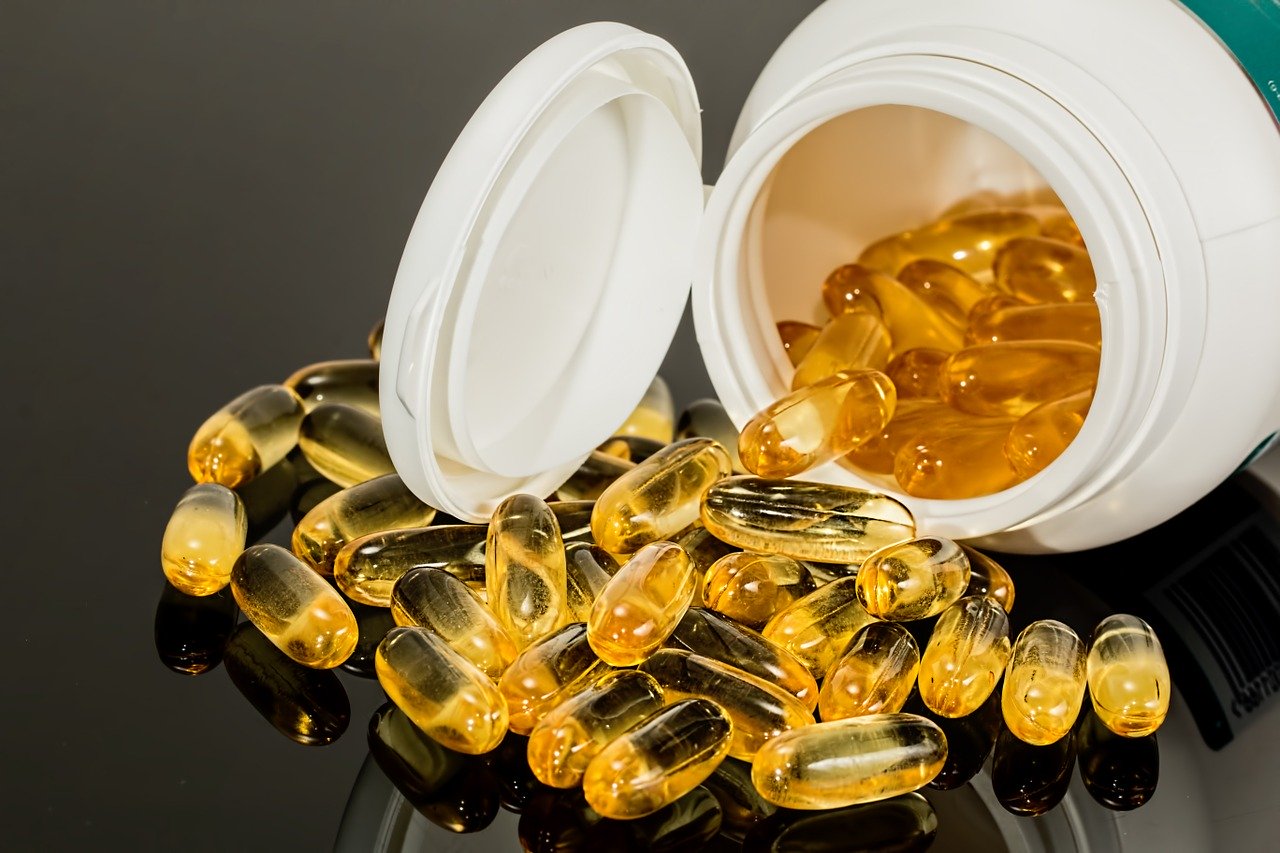
Although rice bran contains only 8–10% oil, the cold extraction process, which uses no solvent (hexane), helps retain medically active compounds such as gramisterol, gamma oryzanol, vitamin E, beta-carotene and lutein. Overall, rice bran oil has a high level of fat-soluble antioxidants.
Patients with high blood fat have a high chance of heart failure. In studies of short-term and long-term (8-week) use of Riceberry bran oil, the group given Riceberry bran oil had high antioxidants and lower LDL (bad fat), while HDL (good fat) increased, lowering the risk of heart disease (9). Riceberry bran oil also affected rats with thalassemia over 2 months, showing high antioxidant effects with an increased proportion of CoQ10, making those rats healthier.
Replacing bad with good cholesterol from Riceberry
Although rice bran contains only 8-10% oil, non-solvent oil pressing technology preserving chemoprotective compounds such as gramisterol, gamma oryzanol, vitamin E, beta-carotene, and lutein. As such, rice bran oil is the source of high lipid-soluble antioxidants.
Patients with hyperlipidemia have a high chance for heart diseases. In short and long-term (8-week) studies using Riceberry bran oil, patients treated with Riceberry bran oil showed high antioxidant lipids, lower LDL, the bad cholesterol, and higher HDL, the good cholesterol, than the control group9. Also, treating induced-Thalassemic rat with Riceberry bran oil preventing oxidative stress while improving antioxidant and CoQ10 prolong life-span of such Thalassemic rats.
Popularity of processed Riceberry products
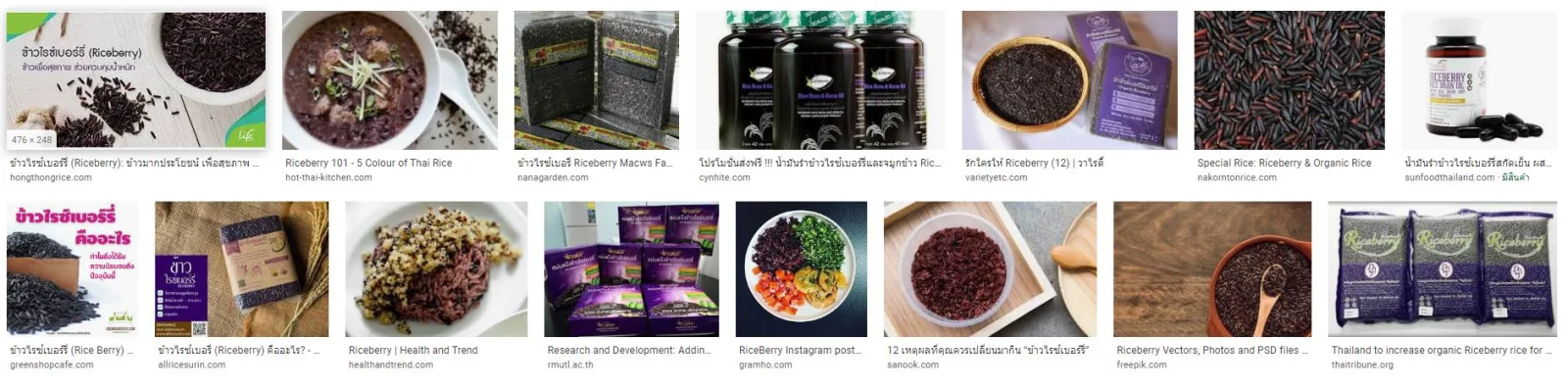
Primary processing: Riceberry is popular for processing at every level. Farmers process leftover paddy not sold to mills using small milling machines for retail sale, earning an extra 10–20 baht per kg. At the industrial level, Riceberry is sold in 1-kg vacuum bags with attractive designs, earning an extra 20–40 baht per kg or more. There are currently 108 brands of Riceberry products.
Advanced processing: Although it is not grown as widely as Hom Mali rice, there are no fewer than 66 products containing Riceberry. Because mixing ratios, costs, selling prices and sales volumes are not yet known, the value added is not yet clearly assessed. During 2013–2018, the number and types of products registered for sale were searched in the Global New Product Database <www.gnpd.com>, comparing products processed from Hom Mali brown rice, Riceberry, and other red and black rice, and the number of processed Riceberry products was found to have increased every year since 2013, while in 2017–18 the number of Riceberry products exceeded other rice types (Figure 1). This is therefore a success of Riceberry as a new raw material that excites consumers. One reason for the popularity of processing Riceberry for consumers is that more than 65 research projects have focused on Riceberry, and 39 patents for Riceberry products have been filed, 18 of which have been published. http://patentsearch.ipthailand.go.th/DIP2013/simplesearch.php
The popularity of Riceberry product development
Primary products: Riceberry is very popular among farmers to process over-produced paddies into whole-grain vacuum-packed rice using small-scale milling and packaging. Direct sales to consumers, farmers gained additional 10-20 B per kg than the wholesale of paddies to rice milling. In the mainstream market, there were no less than 108 brands of 1-kg vacuum packed Riceberry on supermarket shelves.
Advance products: With smaller acreage than Thai Hommali Rice (THM), Riceberry has been popularly used for at least 66 products. Because of the lack of mixture ratio, production cost, sale price, and amount of sale, economic value addition was not accurate. Between 2013-2018, searching for numbers and types of registered products in the Global New Product Database <www.gnpd.com>revealed interesting outcomes. By comparing products developed from THM, red rice, and other purple rice, Riceberry products were increasing yearly since 2013 and outperform THM from 2017 to 2018 (Figure 1). Such successful product development may not only stem from its appealing and taste but also more researches on product development using Riceberry has been so popular as well. In total, 65 research projects were focused on using Riceberry for product development while 39 patents were applied and 18 patents were endorsed http://patentsearch.ipthailand.go.th/DIP2013/simplesearch.php

Figure 1 Graph showing the number of products from various rice types compared from 2013 to 2018 (Q2), from a search of the Global New Products database Figure 1 Comparison of numbers of registered products from various types of rice in the Global New Product Database from the year 2013 to 2018
Intellectual property of Thais for Thais
To protect the quality of Riceberry as the best rice, Riceberry has been granted new Plant Variety Protection, and a trademark (Figure 2) showing the product's identity has been registered in Thailand and trading-partner countries to keep the Riceberry name for Thai people. A quality certification mark for Riceberry products is also being applied for.

Figure 2 Riceberry trademark registered in Thailand and trading-partner countries Figure 2 Registered trademarks of Riceberry in Thailand and the partner countries.
Intellectual properties own by Thai aim for Thai
Protecting intellectual properties, Riceberry was endorsed under plant variety protection (PVP) law since 2017. Also, Riceberry trademarks were successfully registered locally and internationally under the Department of Intellectual Properties since 2011. For products made out of Riceberry (Figure 2). Both IPs were owned by public institutes and can be licensed to use for product competitiveness in the global market.
Organic Riceberry Valley
The project to develop a complete organic high-nutrition rice production system from farmers to consumers was created to raise farmers' living standards, give them income security, and seriously promote organic rice farming in groups. The organic cultivation promotion project began in 2009 in 12 target areas in northern and northeastern Thailand whose climate suits high-quality rice production. To date, Riceberry has been grown under various organic standards, namely transitional organic, Organic Thailand, IFOAM, EU, COR and USDA, on no less than 20,000 rai. Growing Riceberry gives farmers a profit of about 6,500 baht per rai, an average profit per family of 32,500 baht per season.
Developing health concern products requires not only good processing but also traceability to organic paddy. Certified organic Riceberry valley has been established in 12 focus areas around the north and northeast of Thailand where the weather is permissive to high-quality rice. At present, approximately 20,000 Rai of the organic-cultivated area is registered on various types of organic certification programs including transitional, organic Thailand, IFOAM, EU, COR, and USDA. The return to investment on farmland was estimated at 6.500 B per Rai with an average benefit of 32,500 B per season.
Acknowledgments
In 2018, Kasetsart University gave the highest-impact (platinum) research award to the research team of the Rice Science Center. The researchers wish to thank the National Research Council of Thailand for its consistent support of the integrated project on rice variety development and clinical studies of Riceberry.
Concluding remarks
Riceberry has made strong product innovation, economics, and social impacts, connecting organic cultivation to healthy food and cosmetic products now and the future. This year, Kasetsart University endorsed the Riceberry integrated projects the Platinum award for topping the socio-economic impact in Thailand. The research team would like to express immense gratitude for the National Research Council of Thailand and all relevant funding agencies for financial support to the integrated projects from the beginning.
References
- Leardkamolkarn V, Thongthep W, Suttiarporn P, Kongkachuichai R, Wongpornchai S, Vanavichit A. Chemopreventive properties of the bran extracted from a newly-developed Thai rice: The Riceberry Food Chemistry. 2011;125 (3): 978-985.
- Peanparkdee M, Yamauchi R, Iwamoto S. Characterization of Antioxidants Extracted from Thai Riceberry Bran Using Ultrasonic-Assisted and Conventional Solvent Extraction Methods. Food and Bioprocess Technology. 2018; 11(4): 713-722.
- Thamnarathip P, Jangchud K, Jangchud A, Nitisinprasert S, Tadakittisarn S, Vardhanabhuti B. Extraction and characterisation of Riceberry bran protein hydrolysate using enzymatic hydrolysis. International Journal of Food Science and Technology. 2016; 51(1): 194-202.
- Suttiarporn P, Chumpolsri W, Mahatheeranont S, Luangkamin S, Teepsawang S, Leardkamolkarn V. Structures of phytosterols and triterpenoids with potential anti-cancer activity in bran of black non-glutinous rice. Nutrients. 2015; 7(3): 1672-1687.
- Somintara S, Leardkamolkarn V, Suttiarporn P, Mahatheeranont S. Anti-tumor and immune enhancing activities of rice bran gramisterol on acute myelogenous leukemia. PLoS ONE. 2016; 11(1): e0146869.
- Prangthip P, Surasiang R, Charoensiri R, Leardkamolkarn V, Komindr S, Yamborisut U, Vanavichit A, Kongkachuichai R. Amelioration of hyperglycemia, hyperlipidemia, oxidative stress and inflammation in steptozotocin-induced diabetic rats fed a high fat diet by riceberry supplement. Journal of Functional Foods. 2013; 5(1): 195-203.
- Arjinajarn P, Pongchaidecha A, Chueakula N, Jaikumkao K, Chatsudthipong V, Mahatheeranont S, Norkaew O, Chattipakorn N, Lungkaphin A. Riceberry bran extract prevents renal dysfunction and impaired renal organic anion transporter 3 (Oat3) function by modulating the PKC/Nrf2 pathway in gentamicin-induced nephrotoxicity in rats. Phytomedicine. 2016; 23(14): 1753-1763.
- Arjinajarn P, Chueakula N, Pongchaidecha A, Jaikumkao K, Chatsudthipong V, Mahatheeranont S, Norkaew O, Chattipakorn N, Lungkaphin A. Anthocyanin-rich Riceberry bran extract attenuates gentamicin-induced hepatotoxicity by reducing oxidative stress, inflammation and apoptosis in rats. Biomedicine and Pharmacotherapy. 2017; 92: 412-420.
- Posuwan J, Prangthip P, Leardkamolkarn V, Yamborisut U, Surasiang R, Charoensiri R, Kongkachuichai R. Long-term supplementation of high pigmented rice bran oil (Oryza sativa L.) on amelioration of oxidative stress and histological changes in streptozotocin-induced diabetic rats fed a high fat diet; Riceberry bran oil. Food Chemistry. 2013;138 (1): 501-508.