Announcements

Rice Science Center, KU – BIOTEC, NSTDA Visit Phetchaburi to Follow Up on Salt-Tolerant Rice, Aiming to Raise Farmer Income in Areas at Risk of Seawater Intrusion

· 3 min read

8 June 2026
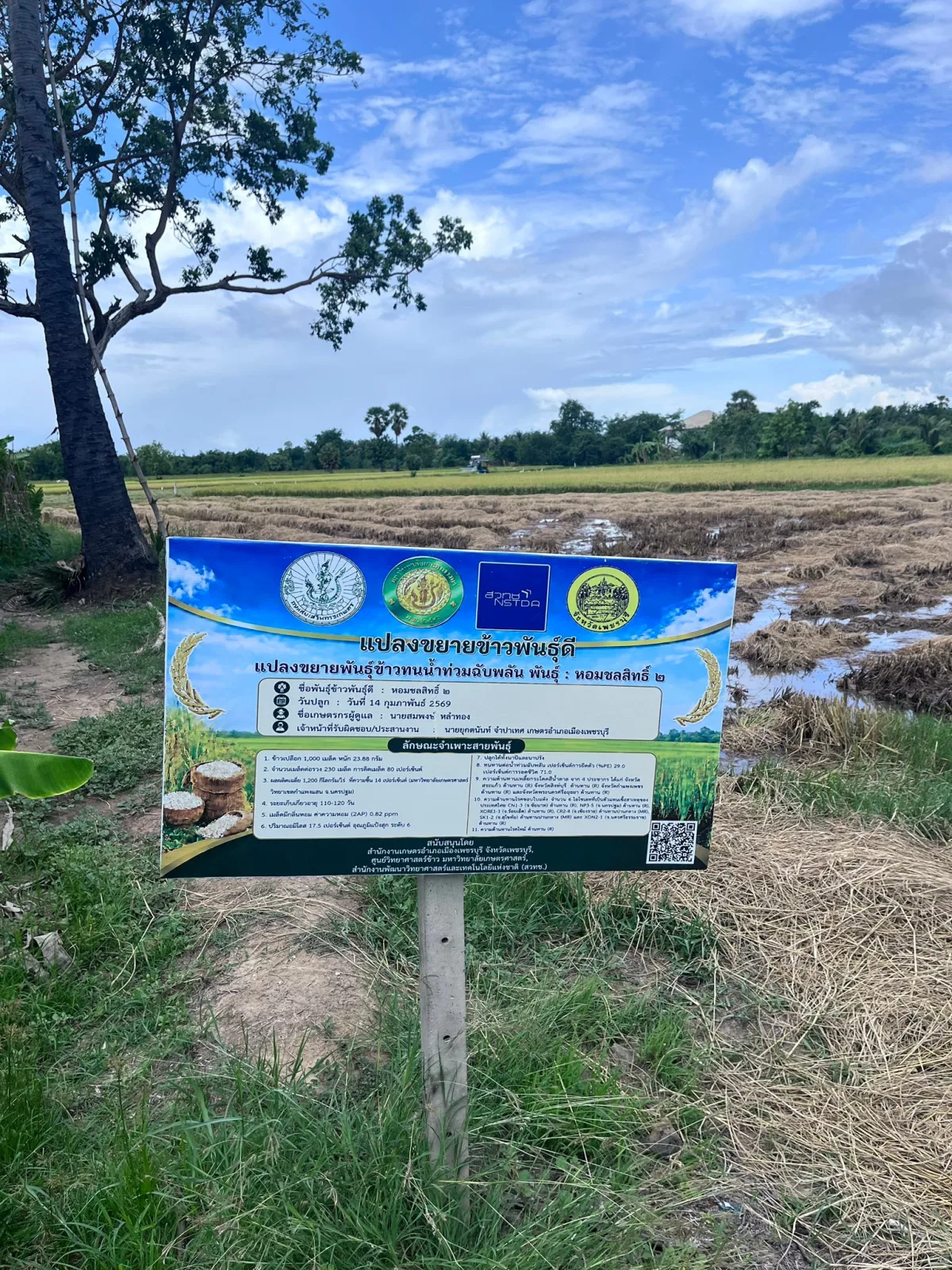
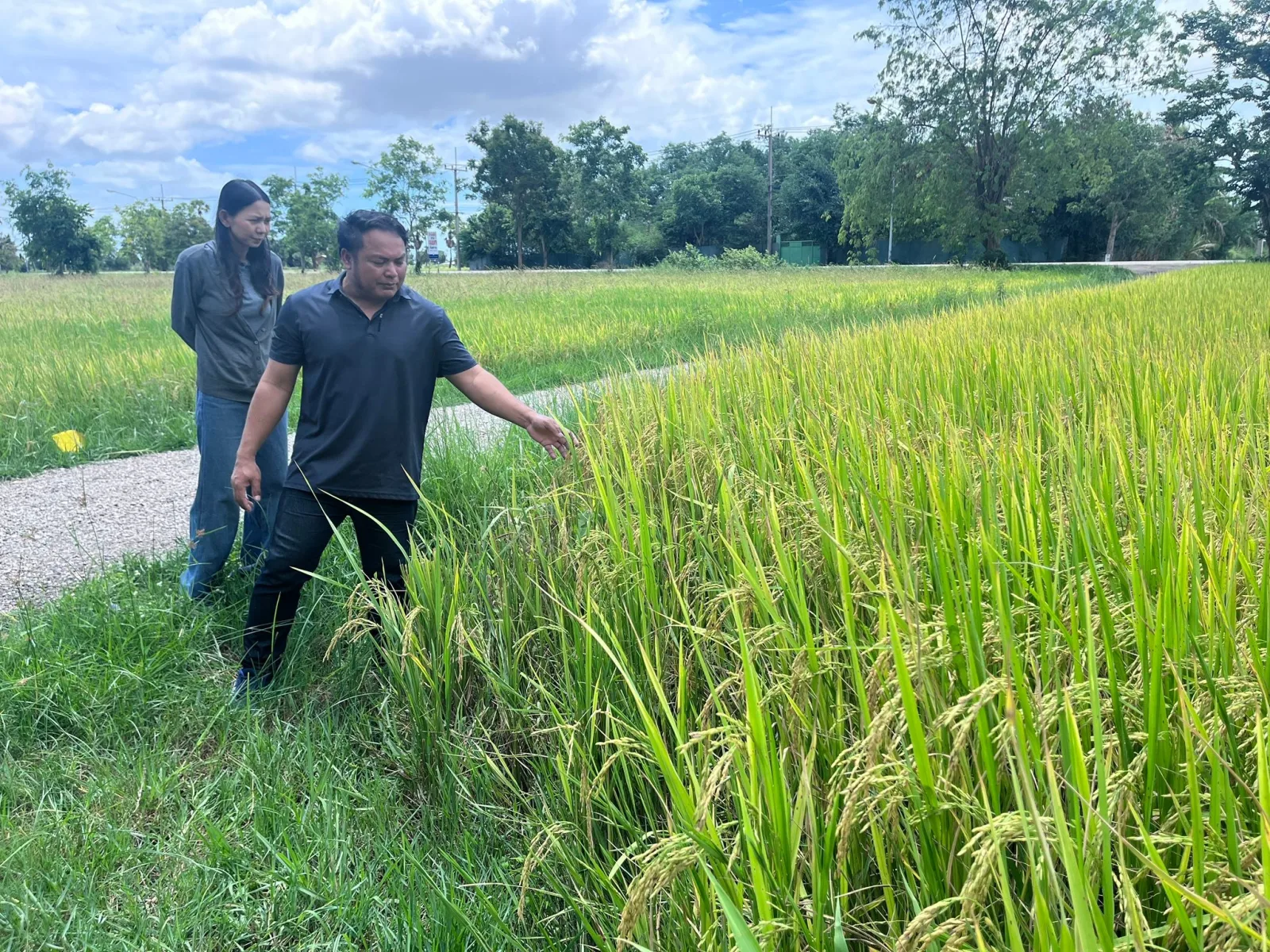
The Rice Science Center, Kasetsart University, together with the National Center for Genetic Engineering and Biotechnology (NSTDA), went to the field to follow up on the growing of rice with the potential to grow in saline soil conditions in Na Phan Sam Subdistrict, Mueang District, Phetchaburi Province, to assess the adaptability of rice varieties and create livelihood options for farmers in areas that regularly suffer high seawater intrusion.

Assoc. Prof. Dr. Siwaret Arikit, Director of the Rice Science Center, Kasetsart University, assigned Mr. Suman Hoimala, agricultural officer of the Rice Science Center, to help drive research and development with the National Center for Genetic Engineering and Biotechnology, NSTDA, with Dr. Meechai Siangliw, an NSTDA researcher, leading the field follow-up of rice growing in farmers' plots.

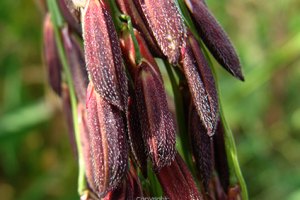
On this visit, they followed up on the growing of the varieties “Hom Na Le” and “Hom Chonlasit 2”, joint rice breeding work between
the APBT team of BIOTEC, NSTDA, and the Rice Science Center, Kasetsart University, with emphasis on selecting rice varieties that can adapt and give good yields in areas affected by soil and water salinity.

Na Phan Sam Subdistrict is one of the areas that often suffers high seawater intrusion flooding the paddies, raising soil salinity levels and severely damaging rice growing. In many cases the rice stops growing or dies standing, causing farmers to lose yield, lose income, and take on debt from rising production costs.

This operation was coordinated and supported on the ground by Mr. Yuktanan Champathet, Agricultural Officer of Mueang Phetchaburi District, who emphasizes bringing agricultural knowledge and technology to help farmers so they can farm rice sustainably with more stable income.

This cooperation among the APBT team of BIOTEC, NSTDA, Kasetsart University and local agencies puts research results to real use, to select and develop rice varieties suited to changing environments, reduce production risk, increase income opportunities, and sustainably raise farmers' quality of life.

Data from the follow-up and assessment in the area will be used to develop and expand promotion of rice varieties with potential to tolerate saline soil, to support climate change and build Thailand's future rice production security.

Rice Science Center, KU – BIOTEC, NSTDA Visit Phetchaburi to Follow Up on Salt-Tolerant Rice, Aiming to Raise Farmer Income in Areas at Risk of Seawater Intrusion

Rice Science Center, KU – BIOTEC, NSTDA Visit Phetchaburi to Follow Up on Salt-Tolerant Rice, Aiming to Raise Farmer Income in Areas at Risk of Seawater Intrusion

Rice Science Center, KU – BIOTEC, NSTDA Visit Phetchaburi to Follow Up on Salt-Tolerant Rice, Aiming to Raise Farmer Income in Areas at Risk of Seawater Intrusion

Rice Science Center, KU – BIOTEC, NSTDA Visit Phetchaburi to Follow Up on Salt-Tolerant Rice, Aiming to Raise Farmer Income in Areas at Risk of Seawater Intrusion

Rice Science Center, KU – BIOTEC, NSTDA Visit Phetchaburi to Follow Up on Salt-Tolerant Rice, Aiming to Raise Farmer Income in Areas at Risk of Seawater Intrusion

Rice Science Center, KU – BIOTEC, NSTDA Visit Phetchaburi to Follow Up on Salt-Tolerant Rice, Aiming to Raise Farmer Income in Areas at Risk of Seawater Intrusion

Rice Science Center, KU – BIOTEC, NSTDA Visit Phetchaburi to Follow Up on Salt-Tolerant Rice, Aiming to Raise Farmer Income in Areas at Risk of Seawater Intrusion

Rice Science Center, KU – BIOTEC, NSTDA Visit Phetchaburi to Follow Up on Salt-Tolerant Rice, Aiming to Raise Farmer Income in Areas at Risk of Seawater Intrusion

Rice Science Center, KU – BIOTEC, NSTDA Visit Phetchaburi to Follow Up on Salt-Tolerant Rice, Aiming to Raise Farmer Income in Areas at Risk of Seawater Intrusion

Rice Science Center, KU – BIOTEC, NSTDA Visit Phetchaburi to Follow Up on Salt-Tolerant Rice, Aiming to Raise Farmer Income in Areas at Risk of Seawater Intrusion

Rice Science Center, KU – BIOTEC, NSTDA Visit Phetchaburi to Follow Up on Salt-Tolerant Rice, Aiming to Raise Farmer Income in Areas at Risk of Seawater Intrusion

Rice Science Center, KU – BIOTEC, NSTDA Visit Phetchaburi to Follow Up on Salt-Tolerant Rice, Aiming to Raise Farmer Income in Areas at Risk of Seawater Intrusion

Rice Science Center, KU – BIOTEC, NSTDA Visit Phetchaburi to Follow Up on Salt-Tolerant Rice, Aiming to Raise Farmer Income in Areas at Risk of Seawater Intrusion

Rice Science Center, KU – BIOTEC, NSTDA Visit Phetchaburi to Follow Up on Salt-Tolerant Rice, Aiming to Raise Farmer Income in Areas at Risk of Seawater Intrusion

Rice Science Center, KU – BIOTEC, NSTDA Visit Phetchaburi to Follow Up on Salt-Tolerant Rice, Aiming to Raise Farmer Income in Areas at Risk of Seawater Intrusion

Rice Science Center, KU – BIOTEC, NSTDA Visit Phetchaburi to Follow Up on Salt-Tolerant Rice, Aiming to Raise Farmer Income in Areas at Risk of Seawater Intrusion

Source: Facebook Rice Science Center
Back to Announcements
RELATED / 06

Related Articles

Related articles

Most Popular Popular articles