This device has no English text-to-speech voice, so the article may not be read aloud.
Free Radicals
Assoc. Prof. Dr. Ratchanee Kongkachuichai (1), Assoc. Prof. Dr. Rin Charoensiri (1), Prof. Dr. Apichart Vanavichit (2), Dr. Siriphat Ruengphayak (2) 1 Institute of Nutrition, Mahidol University 2 Kasetsart University, Kamphaeng Saen Campus
Free radicals are molecules or atoms that are unstable because they lack an electron. Normally, the molecules or atoms in our body have electrons in even numbers. When the body loses an electron because free radicals snatch it, the molecules of the body's cells become unstable and unbalanced, which can damage body cells.
Where do free radicals come from?
External sources include air pollution, ozone, nitrous oxide, nitrogen dioxide, dust, cigarette smoke, foods with unsaturated fatty acids, sunlight, heat and gamma rays; internal sources are free radicals the body produces itself. Examples of free radicals include
- O2- Superoxide anion
- OH- Hydroxyl radical
- ROO Peroxy radical
- H2O2 Hydrogen peroxide
- Lipid peroxyl, LO2
How do free radicals damage cells?
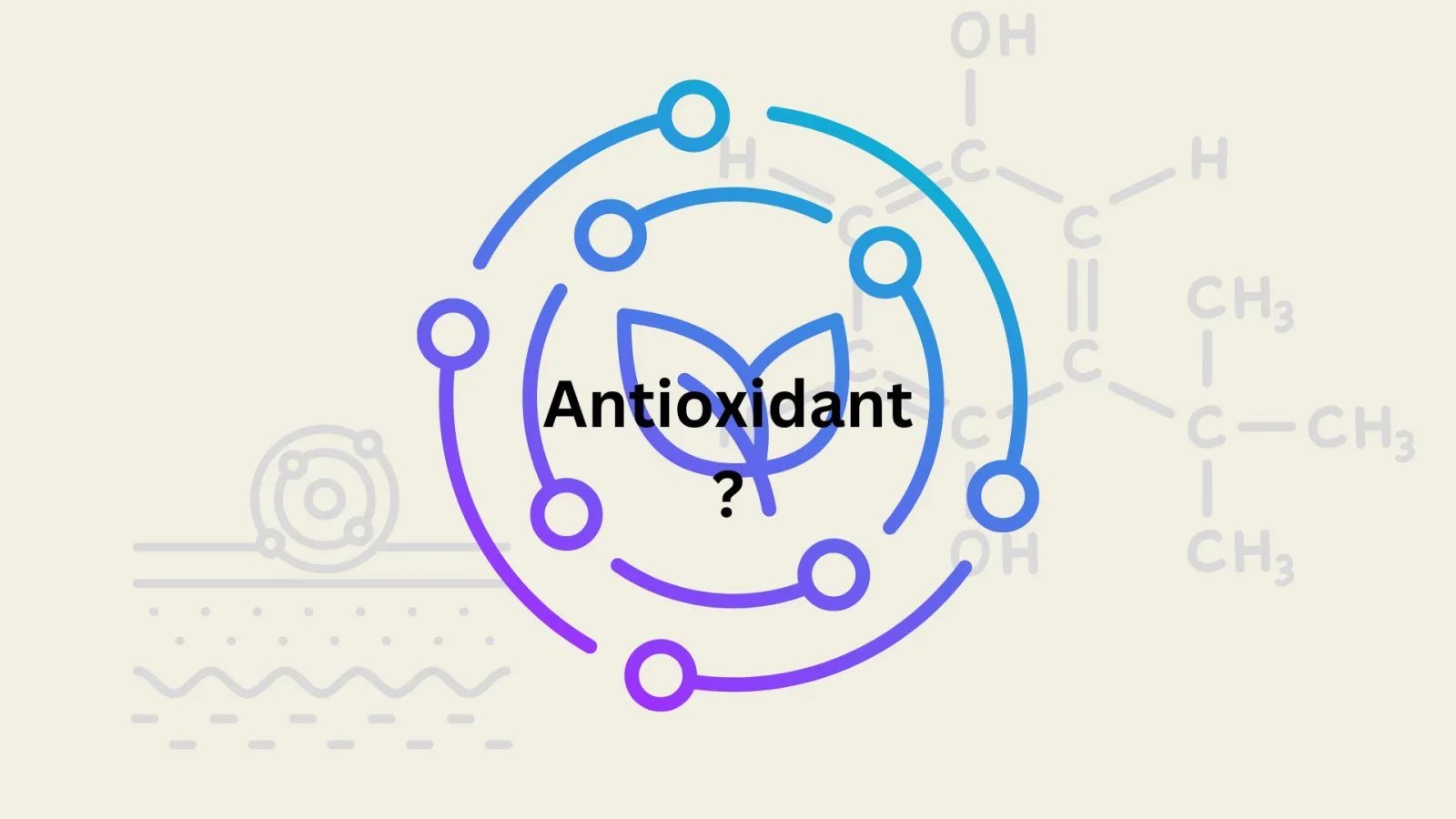
Free radicals damage cells when the body cannot produce or receive enough antioxidants to inhibit or bind free radicals inside body cells. As a result, cells are damaged, leading to diseases such as cancer, cardiovascular disease, premature aging, cataracts and others. For example, free radicals damage the walls of arteries, and when fat accumulates in the damaged areas of the arteries, cardiovascular disease eventually results. But if we receive enough antioxidants, they prevent or compete for binding with free radicals and carry those free radicals out of the cell, so the cell is not damaged.
The body therefore has 2 ways to eliminate free radicals:
- Using enzymes the body makes to bind free radicals, such as superoxide dismutase (SOD), catalase and glutathione peroxidase. But the body often does not make enough, so cells are injured, and as people get older, antioxidant production decreases while the rate of free radical formation stays the same, with the result that many diseases arise.
- Receiving antioxidants from food, such as vitamin E, beta-carotene, anthocyanidins, and various polyphenol compounds such as tannin and catechin. This also includes coenzyme Q10 (CoQ10), also known as ubiquinone, classed as a vitamin or vitamin-like substance present in every cell of the body, acting as one of the essential coenzymes that start chemical reactions to produce energy in the body. It is therefore important to the various muscles, especially the heart muscle, because the heart must work constantly. In the general population, although the body can make CoQ10 itself, this ability declines from age 21 onward, while the amount the body needs does not decline.
Preliminary research data found that cold-extracted rice bran oil is also a good source of CoQ10, and several studies have found that CoQ10 plays an important role in treating thalassemia. In addition, CoQ10 helps reduce oxidative stress, giving better antioxidant activity, and can slow the degeneration of brain cells caused by oxidative stress, as CoQ10 acts to stabilize the mitochondrial membrane. For this reason CoQ10 may be an option for treating patients with brain-cell degeneration, such as Parkinson's disease and Friedreich's ataxia.
As described above, rice is a marvelous grain, in that it carries nutritional value in every part of the grain: the kernel, the bran and the germ. We should therefore eat every part of the grain for a strong life, away from chronic diseases, with good health and a long life.