

This device has no English text-to-speech voice, so the article may not be read aloud.
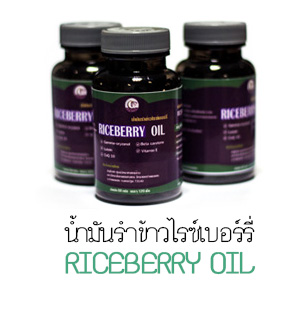
Rice bran is a source of oil containing antioxidants such as vitamin E, tocopherols and gamma oryzanol
Its outstanding property, which differs from other vegetable oils, is that it contains the key compounds gamma oryzanol and tocotrienols, which have been found to help lower blood cholesterol and reduce the risk of heart disease. In addition, rice bran oil can be used in various industries, such as animal feed, using free fatty acids to make soap, using the wax as an ingredient in various polishes, and cosmetics.
Oil and health
Consuming saturated fat contributes to a high risk of heart disease compared with consuming monounsaturated and polyunsaturated fatty acids. Another beneficial unsaturated fatty acid is oleic acid, which benefits health by lowering unwanted LDL cholesterol in the blood. Cereal oils with high oleic acid can withstand high heat and are suitable for long frying or stir-frying because of their high stability. In addition, the polyunsaturated fatty acid group includes n-3 and n-6 fatty acids, which humans cannot make themselves and must obtain from food, and are therefore regarded as essential nutrients. Linoleic acid and linolenic acid can be converted in human cells to arachidonic acid and eicosapentaenoic acid respectively. These two fatty acids are precursors of eicosanoids, consisting of prostaglandins, thromboxanes and leukotrienes, which have important effects on physiological processes. Improving the fat composition of edible oils for better nutritional value therefore calls for increasing linolenic acid, decreasing linoleic acid, and lowering saturated fatty acids.
The quality of rice bran oil depends on the physical and chemical quality of the bran and other factors, notably the enzymes lipase and lipoxygenase, which cause rancidity problems in using bran for consumption and animal feed because of hydrolysis and oxidation of the fat in the rice.