This device has no English text-to-speech voice, so the article may not be read aloud.

Rice is the important energy-giving crop for Thai people and the world's population. In Asia rice is not only food security but also the origin of important food culture. By 2050 the world population is expected to reach as many as 10,000 million people, so demand for rice must rise by another 56 percent.
If the way rice is consumed today does not change, how will we produce that much food when the world faces increasingly severe climate change, along with the habit of eating starch-rich, high-energy food that mostly comes from these cereal grains, combined with low physical activity that causes chronic non-communicable diseases such as obesity, type 2 diabetes, high blood fat, heart disease and kidney disease, while people in poor countries still go hungry to the point of malnutrition? Increasing rice yield without regard for environmental safety further accelerates global warming.
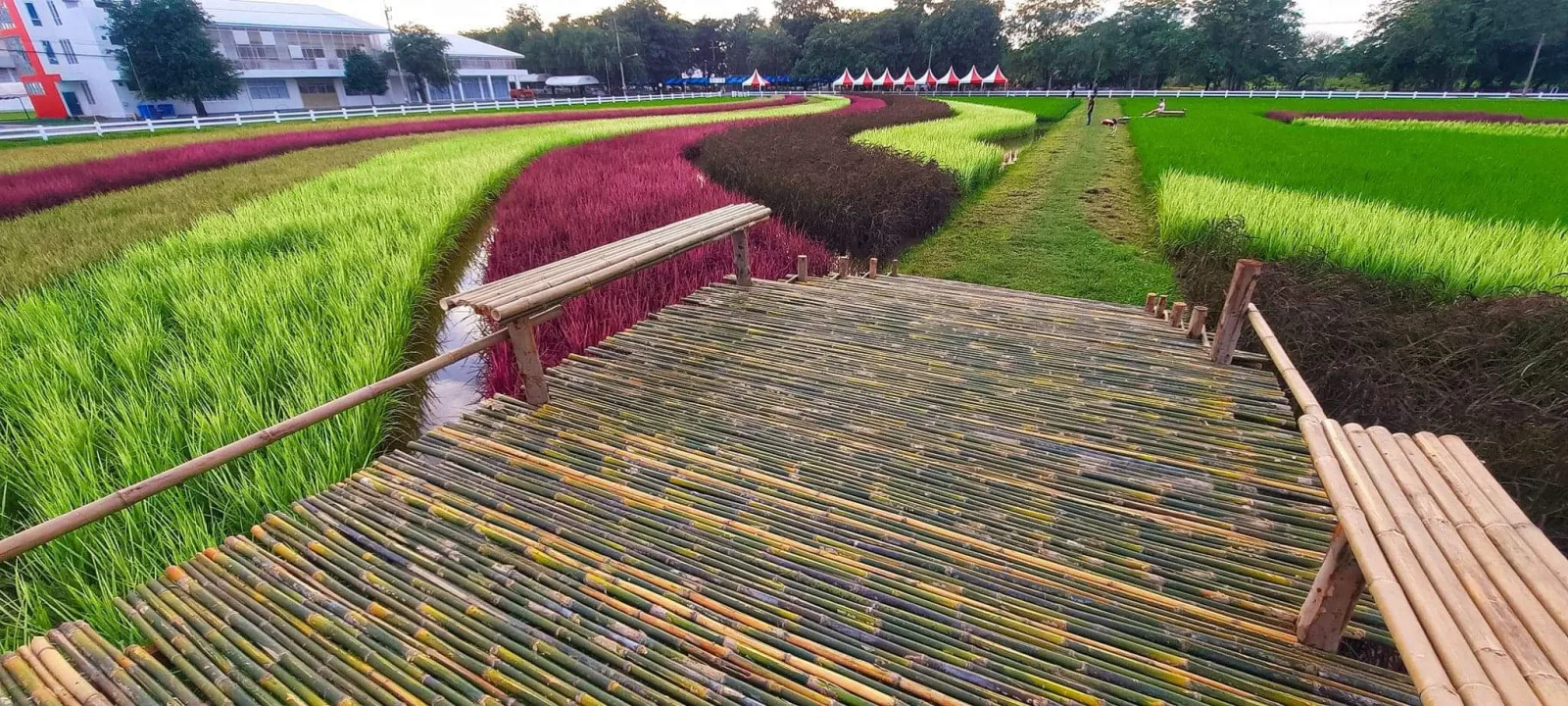
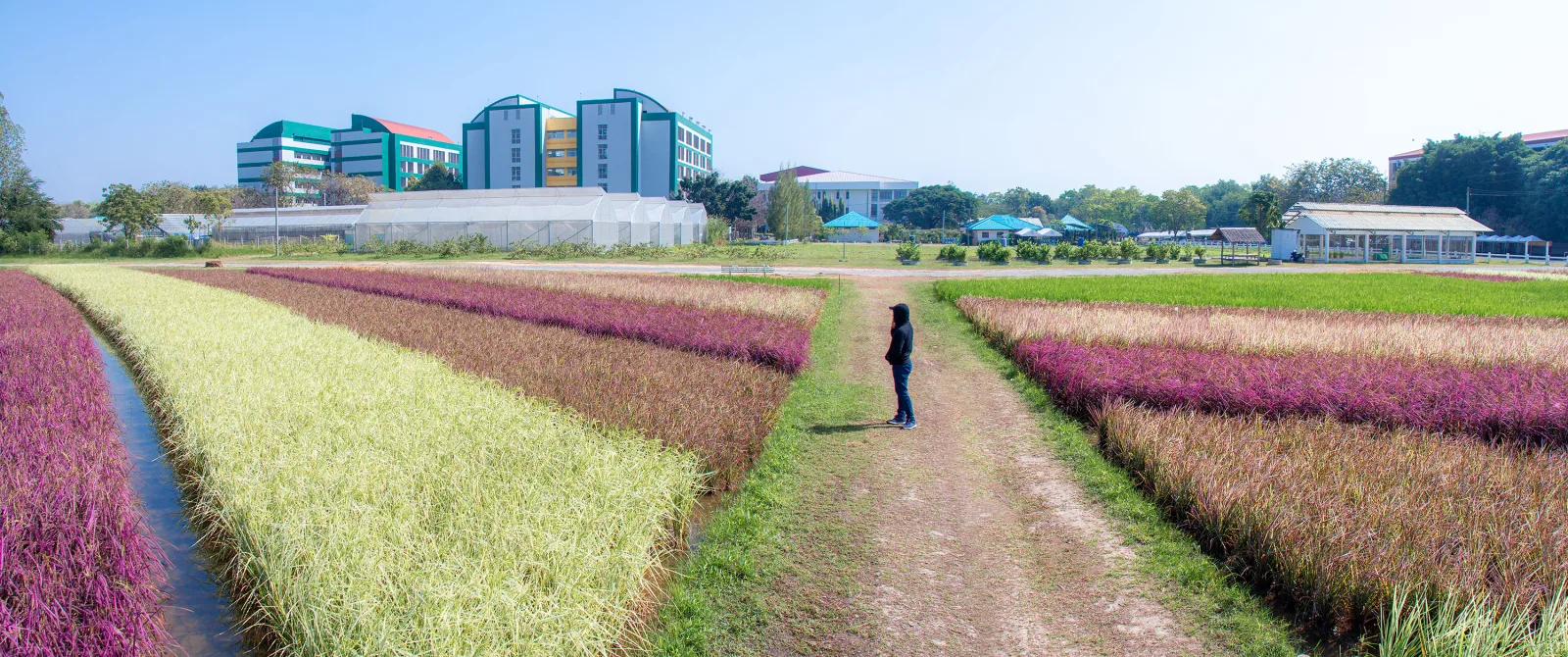
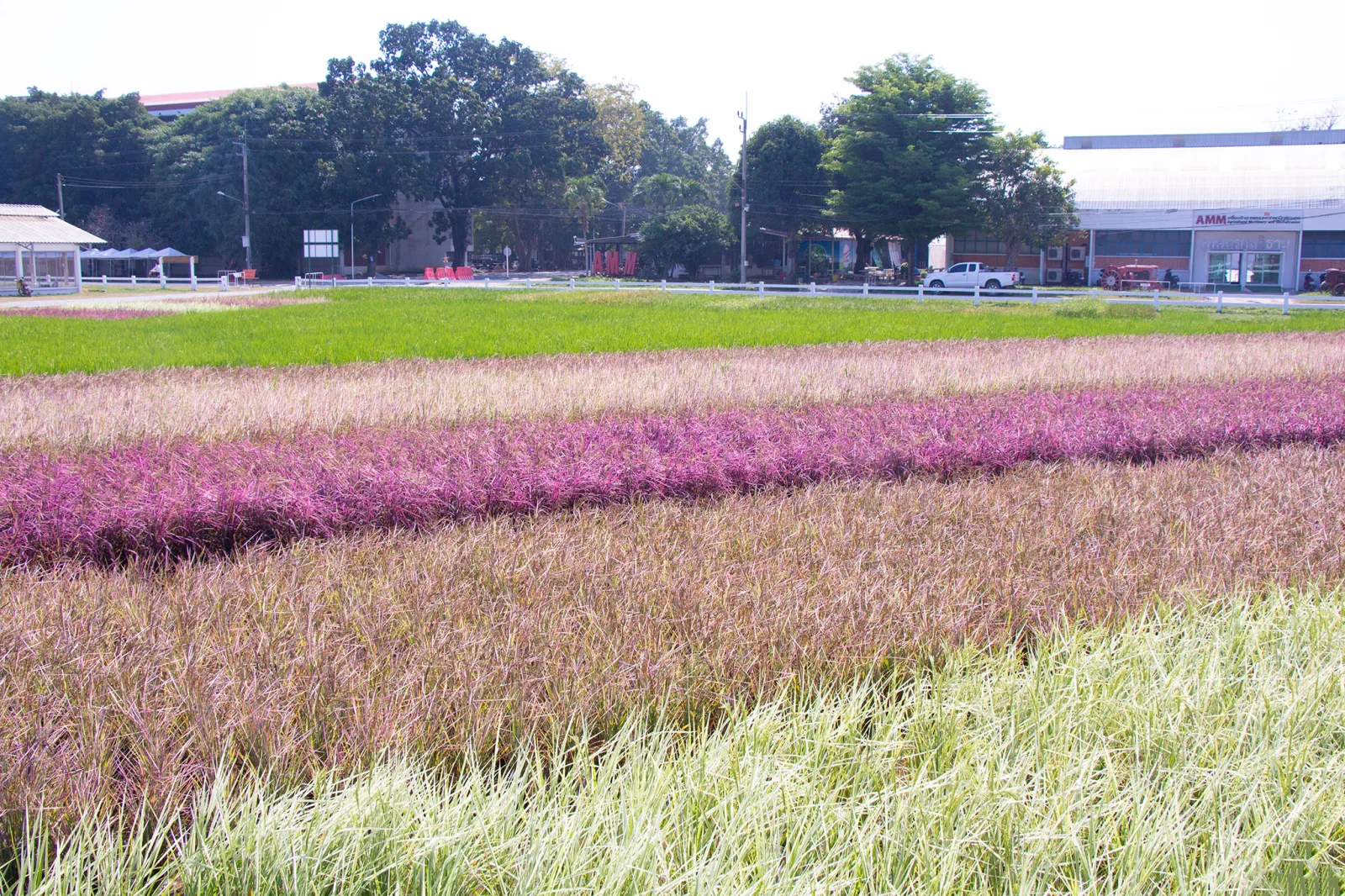
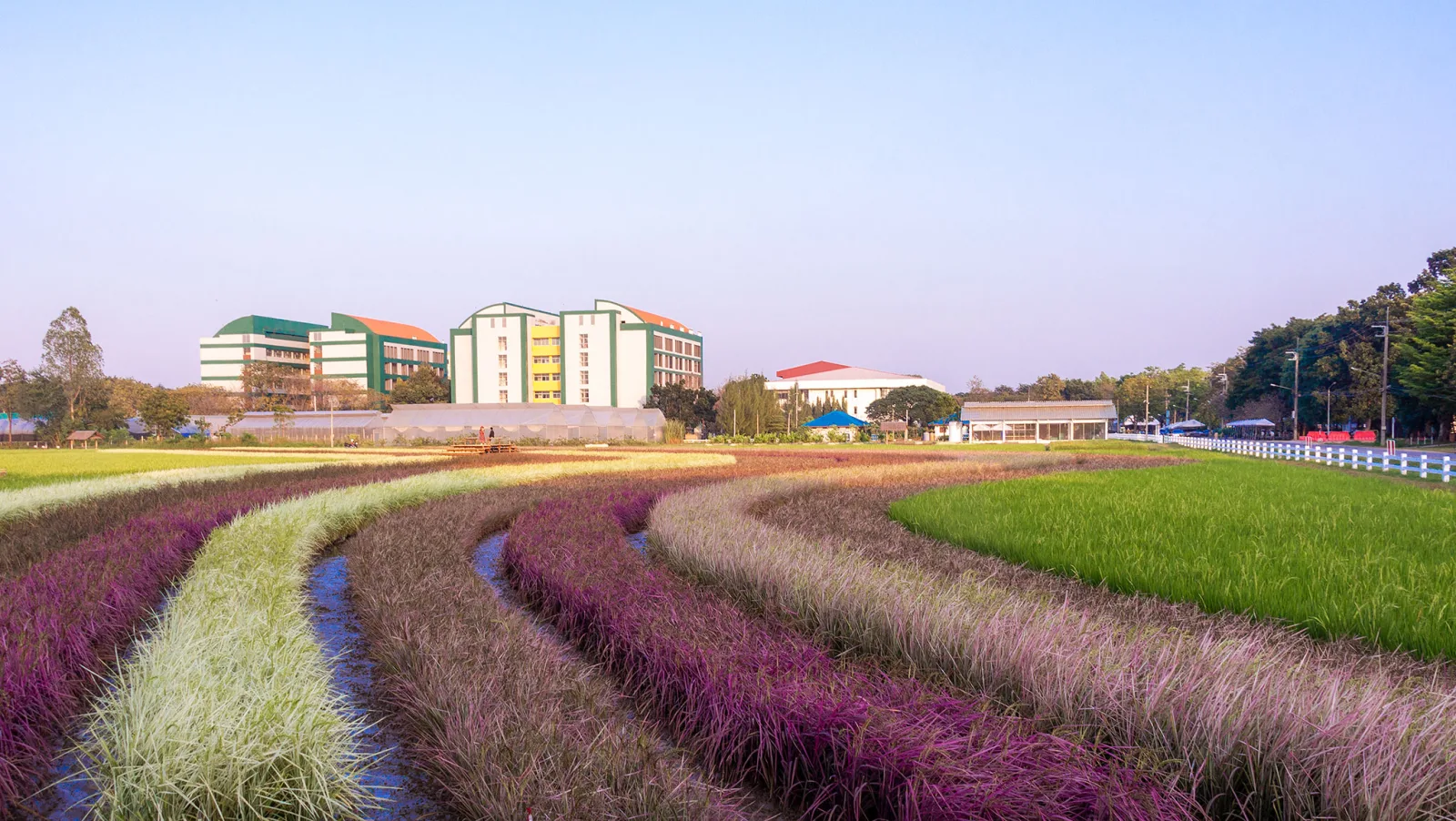
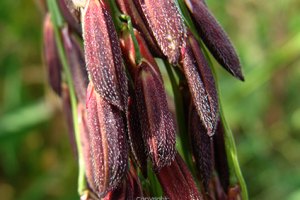
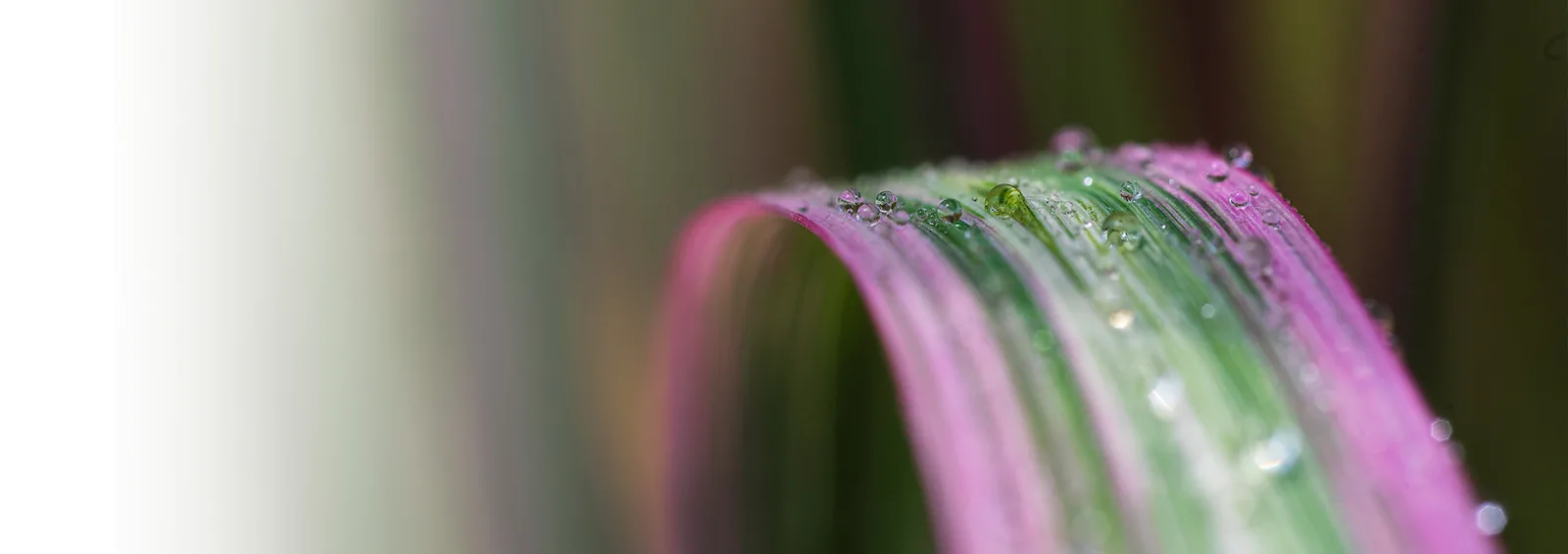
The yield of rice and every crop consists of stem-and-leaf yield (biomass) and grain yield, but only the rice grain is consumed as food. The stems and leaves are usually used for animal feed after the grain is harvested. But in irrigated areas, most farmers burn and destroy the straw, creating toxic air from PM2.5–10 dust, and straw burning is a factor that accelerates global warming. The key goal of this Rainbow Rice research project is to use the fresh stems and leaves of rice for valuable and nutritious food in place of high-energy starch, by increasing the proportion of dietary fiber. Rainbow Rice has been designed to be beautiful and eye-catching by greatly increasing the amount of anthocyanin, a water-soluble antioxidant. Growing beautifully designed Rainbow Rice naturally catches the eye of onlookers, giving rise to Thailand's newest kind of agro-food tourism (Unseen Agro-tourism) and creating the bio-circular economy (BCG) on Thailand's vast and fertile paddy land.
Nutrition of Rainbow Rice leaves
| 50 % BIOMASS 50 % | ||
| Leaves | Grains | |
|
0 | 70-80 |
|
70-85 | <10 |
|
20 | 8 |
|
> 90,000 | < 40,000 |
|
12.7 | 40.3 |
|
153.26 | 9.4 |
|
5.39 | 23.05 |
|
325.5 | 20.65 |
|
2,219 | 1,653 |
|
6,791 | 112 |
|
12,499 | 1,958 |
|
567 | 3,485 |
Rainbow Rice leaves have a high amount of anthocyanin but a lower amount of chlorophyll, used in photosynthesis, than ordinary green-leaved rice, so their photosynthesis rate is clearly lower than in green-leaved rice. However, Rainbow Rice leaves resist photoinhibition better than ordinary green-leaved rice, so Rainbow Rice grain yield forms fully. A comparative nutritional analysis of leaves at 60–80 days after transplanting and Rainbow Rice grain found that the leaves are rich in dietary fiber free of energy-giving starch. Rainbow Rice leaves have high protein of about 18–20% and very high densities of Fe, Mn, Mg, Ca and K, while the amount of phytate, which inhibits nutrient absorption, is lower. In addition, Rainbow Rice leaves clearly have a higher amount of antioxidants than colored rice grain.

Using Rainbow Rice leaves in dietary supplements
Rainbow Rice leaves aged 60–80 days, ground to powder under frozen conditions, can be used in many kinds of supplements. The leaf powder was tested for its ability to keep several kinds of probiotic microorganisms alive in the digestive and absorptive system until they grow well in the large intestine, producing large amounts of small-molecule fatty acids. Rainbow Rice leaves therefore have good prebiotic properties. In addition, specific antioxidants extracted from Rainbow Rice leaves help slow degeneration of the retina at the level of human cells (Human Retinal Pigment Epithelial Cells, ARPE19) very well. This leaf extract could be applied to slow retinal degeneration, which usually occurs in the elderly and now occurs in children and workers who use small computer screens. In addition, Rainbow Rice leaf powder can be mixed into bread flour to increase dietary fiber, and the fiber powder was found to make the bread softer and more appetizing and also to lower the bread's glycemic index.
Agro-food tourism
One cycle of growing Rainbow Rice allows leaves to be harvested 1–3 times: the first time, young leaves when no more than 21 days old; the second when the plants are 60 days old; and the third no later than 90 days. After that the plants are left to produce grain until it can be harvested. Each leaf harvest is used in a variety of supplements: young leaves no more than 21 days old can be blended into a drink (Rice Grass Drink) better than the wheat and barley grass products on the market; leaves aged 60–80 days can be used in the supplements described above; and Rainbow Rice grain is a valuable food like black glutinous rice and can be eaten. Farmers will therefore earn income from tourism, from selling Rainbow Rice leaves and from the grain. From a model farm in Ban Sang District, Chiang Mai Province, 1 rai of land can generate no less than 35,500 baht from tourism, one leaf harvest and the grain harvest, from a cost of only 4,000 baht. On larger areas, the bio-circular economy (BCG) can therefore be created through continued processing that generates sustainable income.