This device has no English text-to-speech voice, so the article may not be read aloud.

By the “Plant Biotechnology and Precision Agriculture Innovation Research Team (APBT), BIOTEC and NSTDA”
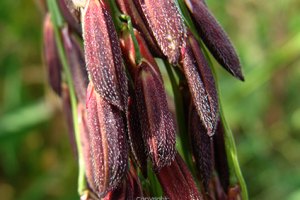
which has carried out research for more than 15 years. The team has successfully applied DNA markers to help breed many economically important crops, such as rice,
and another research project is tomato breeding
Marker-Assisted Selection (MAS) in Tomato Breeding
Website link for more information: https://dna.kps.ku.ac.th/tomatomics/index.php
Tomato breeding using Marker Assisted Selection (MAS) technology
The cultivated tomato (Solanum lycopersicum L.) is a high-value economic vegetable, widely used as a cooking ingredient, with a sweet-and-sour taste. About 80% of Thailand's main tomato production is in the upper northeast. However, tomato is highly susceptible to many diseases, especially bacterial wilt and yellow leaf curl disease, which damage tomato production and cause economic losses. Rising temperatures from the environmental crisis also strongly affect yield in the summer and rainy seasons.
Developing tomato varieties resistant to bacterial wilt and yellow leaf curl, as well as tolerant of high temperatures, uses Marker Assisted Selection (MAS) technology to combine genes or QTLs into the genetic background of various tomato groups, such as Seeda tomatoes, cherry tomatoes, large fresh-eating tomatoes, and large tomatoes for industry. Using this technology together with conventional breeding makes breeding fast and precise. The improved prototype lines will have quality and yield no different from, or better than, the original varieties, along with broad disease resistance and tolerance of high temperatures, a useful option for tomato growers.