This device has no English text-to-speech voice, so the article may not be read aloud.

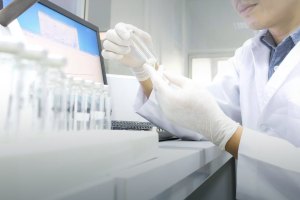
The Aroma of Thai Fragrant Rice With its unique character and geographical indication that no nation can imitate, “Thai Hom Mali rice” has become a major target for countries developing and breeding their own rice to be more fragrant and of better quality, to seize the lead in the premium rice market. This forces researchers to rush deeper into the level of rice genes to find the key that will protect Thai Hom Mali rice and keep it number one in the world market.
[youtube url="https://www.youtube.com/watch?v=p8BT8fhe3v4" width="1000" height="880"]
Rice as Medicine The old saying “eat rice as the staple, eat vegetables as medicine” may have changed, because vegetables are not the only food with medicinal properties. Scientists have found that the slender white grains of rice we eat every day contain not only starch but also many hidden substances with medicinal properties. Rice is therefore not just a staple food to fill the stomach but also a kind of “grain medicine” to be eaten to prevent and treat illness.
[youtube url="https://www.youtube.com/watch?v=DomPFQKcAcg" width="1000" height="880"]
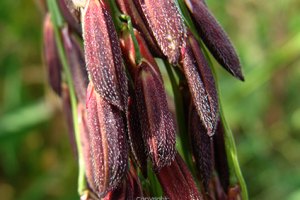
Thai Rice Unafraid of Disease and Insects Rice diseases and insect pests are a major problem farmers face almost every year, especially blast disease and the brown planthopper, natural enemies that invade rice plants across the fields and cause some of the greatest yield losses in Thailand. It cannot be denied that while breeders try to find new rice varieties to fight rice pests, diseases and insects also adapt to survive. The efforts of Thai rice breeders are therefore far from over. New Thai rice lines growing in the research plots are ears of rice carrying hope, soon to grow in Thai paddy fields.
[youtube url="https://www.youtube.com/watch?v=c1jYiNhC9mQ" width="1000" height="880"]
Science and Technology to Develop Thai Rice Rice is an important economic crop of Thailand, earning 150–190 billion baht a year from exports, but rice production still has many problems that may affect the country's competitiveness, such as low average yield per area, a shortage of good seed, and a lack of suitable technology for breeding, agricultural machinery and rice processing innovation. Scientific and technological knowledge plays a very important part in developing and promoting the entire Thai rice production process, increasing efficiency and competitiveness in the world market.
[youtube url="https://www.youtube.com/watch?v=V_9UylDqrEM" width="1000" height="880"]
Thai Rice: Research Beyond the Crisis, Episodes 1–16
https://www.youtube.com/watch?v=Dn1onOAXKUg&list=PLVcd5jDQFGvO2x_kxxowzYwJ0eGz5NfyI